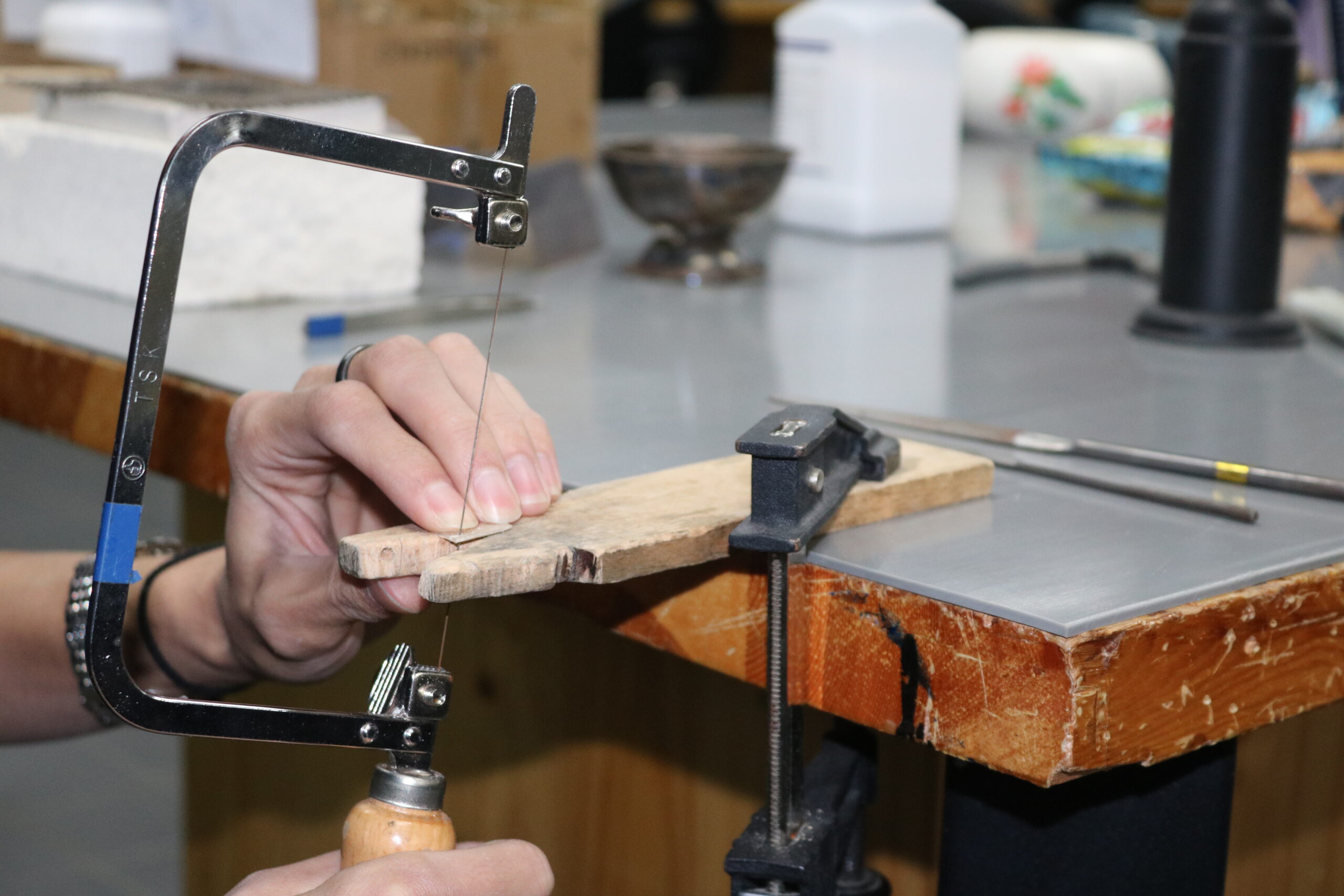
Reflecting on Practice: Teaching the Grade 10 Jewellery Design Unit
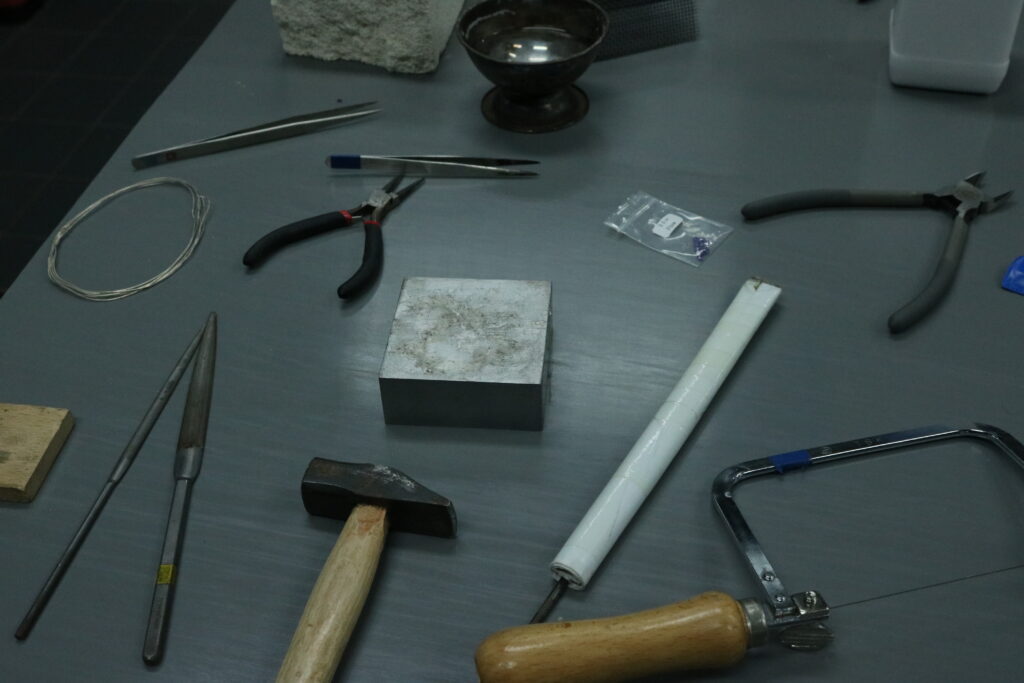
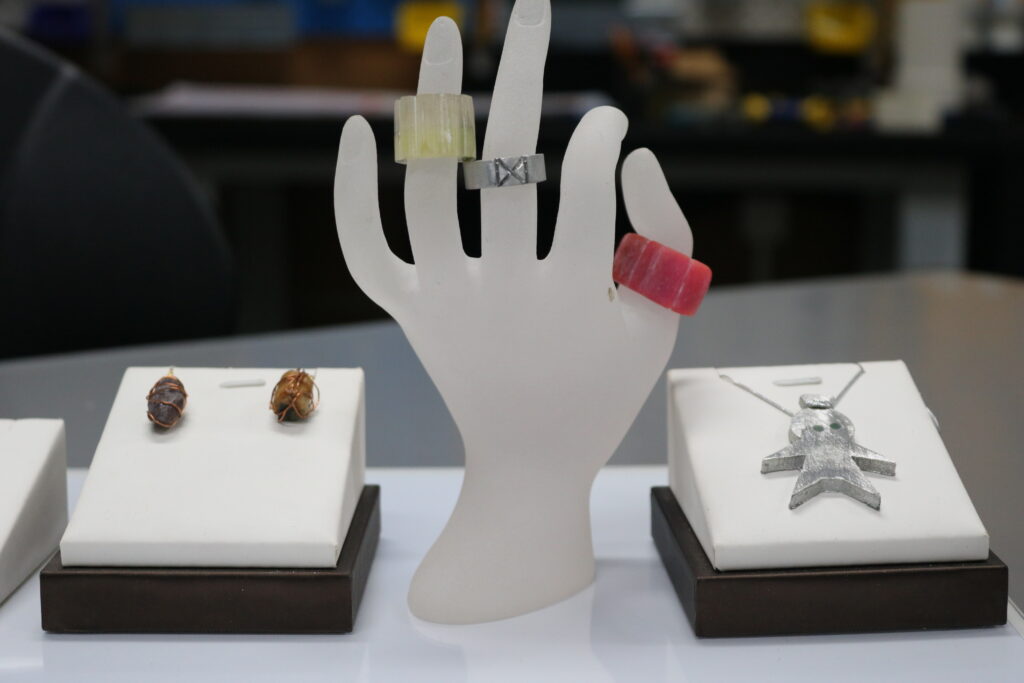
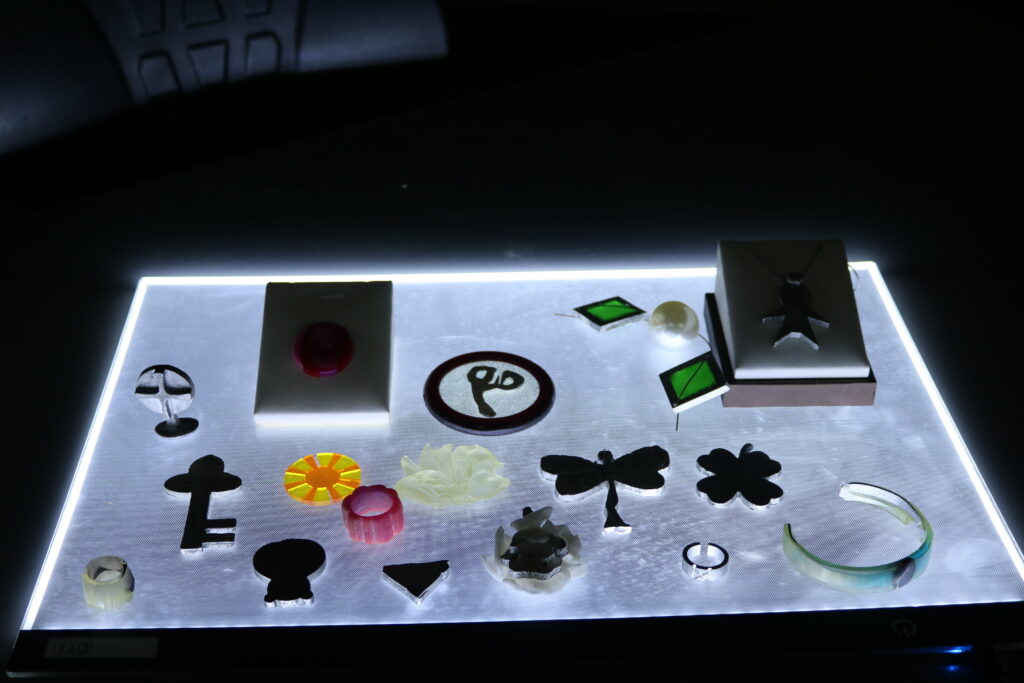
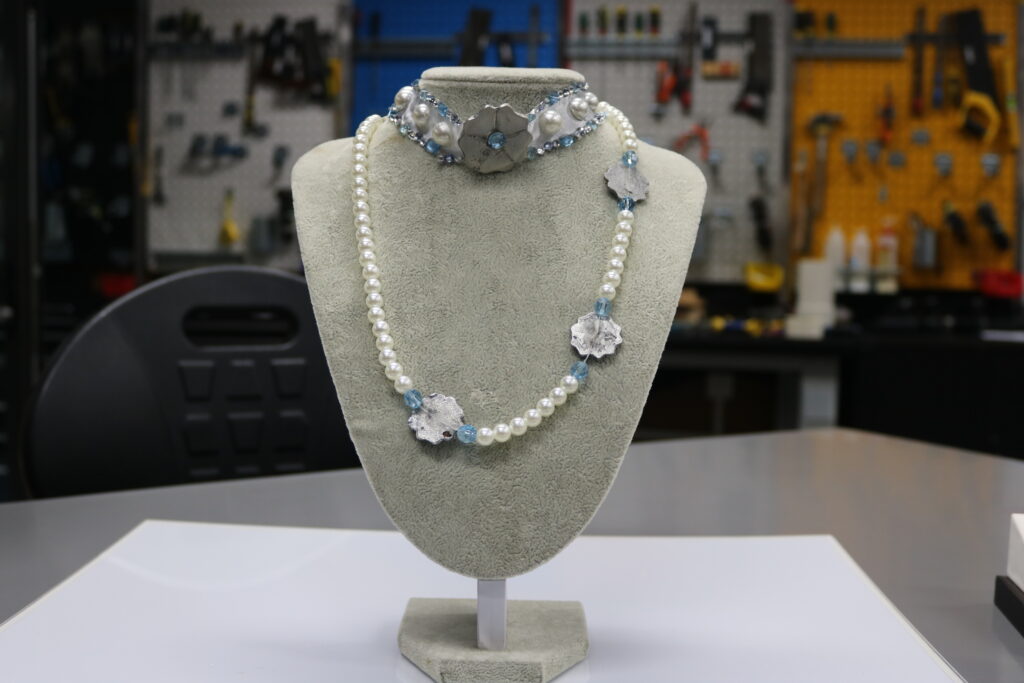
We know that the first unit of the year often sets the tone for everything that follows. For my Grade 10 Product Design students, that starting point is the Jewellery Design unit, a project that asks them to design for a client (real or fictional) and culminates in a public exhibition of their work. This post is less about describing the unit itself and more about reflecting on what has worked, what I’ve learned, and what I’d like to refine moving forward.
Why Jewellery?
Jewellery has proven to be an excellent entry point into design thinking. It’s personal, symbolic, and culturally rich. Students immediately connect with the idea of designing something that carries meaning, and the project’s scale makes it approachable while still allowing for complexity. Anchoring in the MYP Design Criteria, the unit is structured around the four MYP Design criteria:
A: Inquiring and Analysing
B: Developing Ideas
C: Creating the Solution
D: Evaluating
What I’ve noticed is that students quickly see the value of the criteria when applied to a tangible, human-centred project. The requirements don’t feel abstract; they become the natural scaffolding for their process.
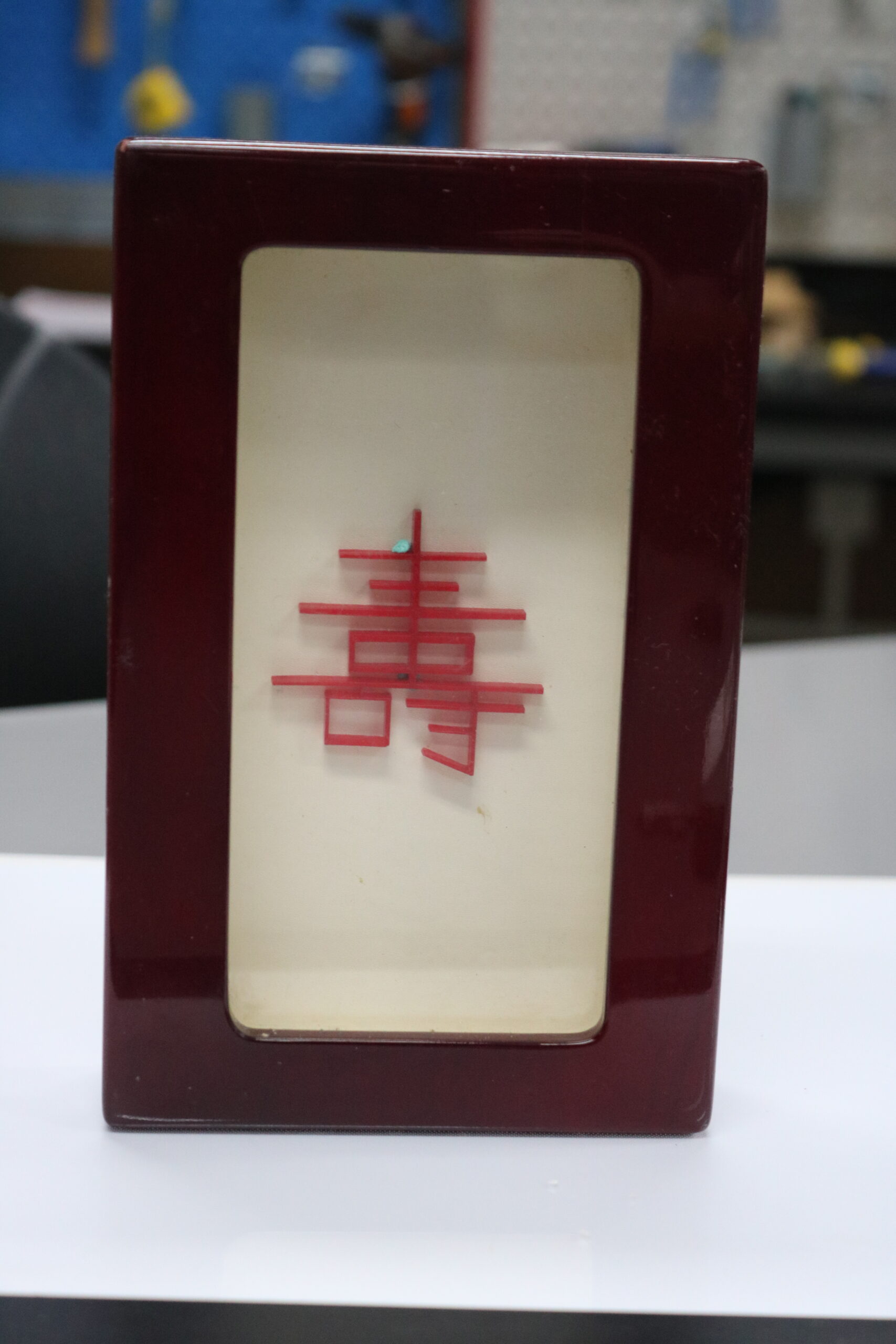
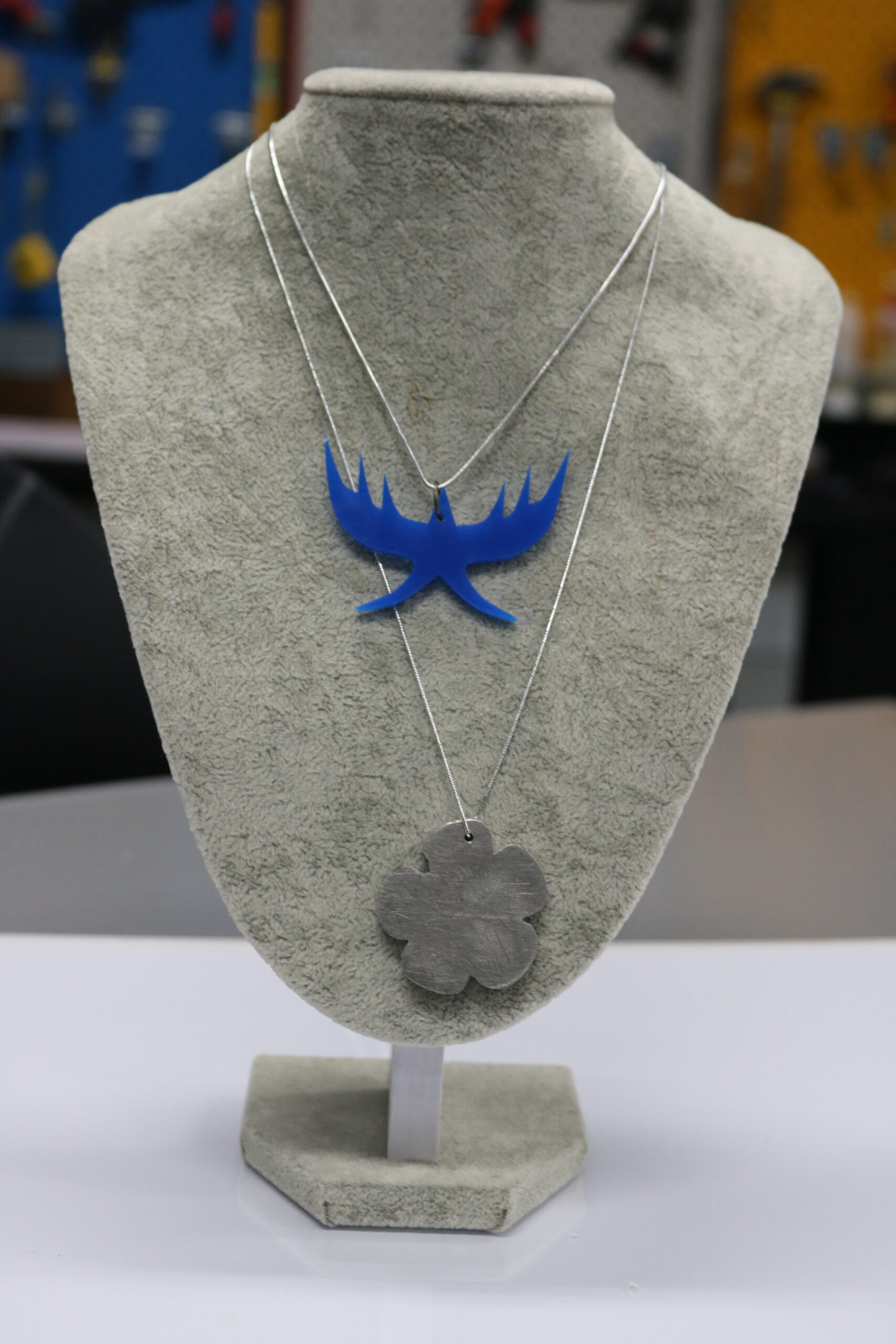
Teaching Through UDL
One of my biggest takeaways has been how well this unit aligns with the principles of Universal Design for Learning (UDL). Jewellery design invites multiple entry points, and UDL principles help me make those pathways explicit:
Engagement: Students choose their own client or persona, which fosters ownership and motivation.
Representation: Research can be presented in various forms, including visual, textual, and experiential, allowing students to access knowledge in ways that suit their learning styles.
Action & Expression: Prototypes can be hand-crafted, digitally modelled, or hybrid, ensuring students demonstrate design thinking in ways that highlight their strengths.
This flexibility has been key in ensuring that all students—not just those with strong technical skills can thrive.
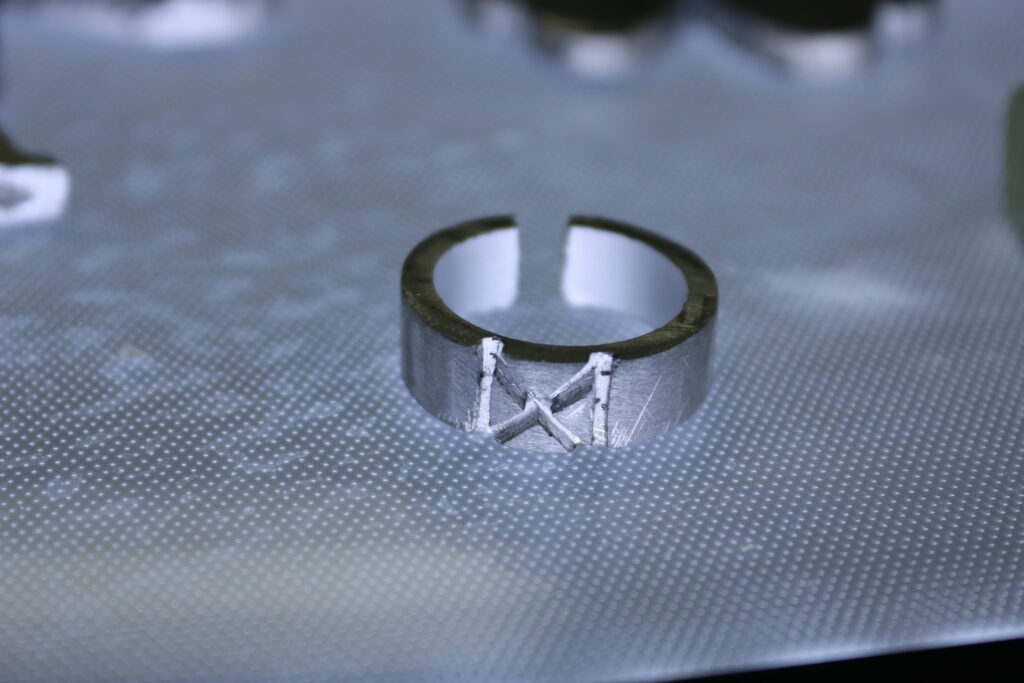
What Worked Well
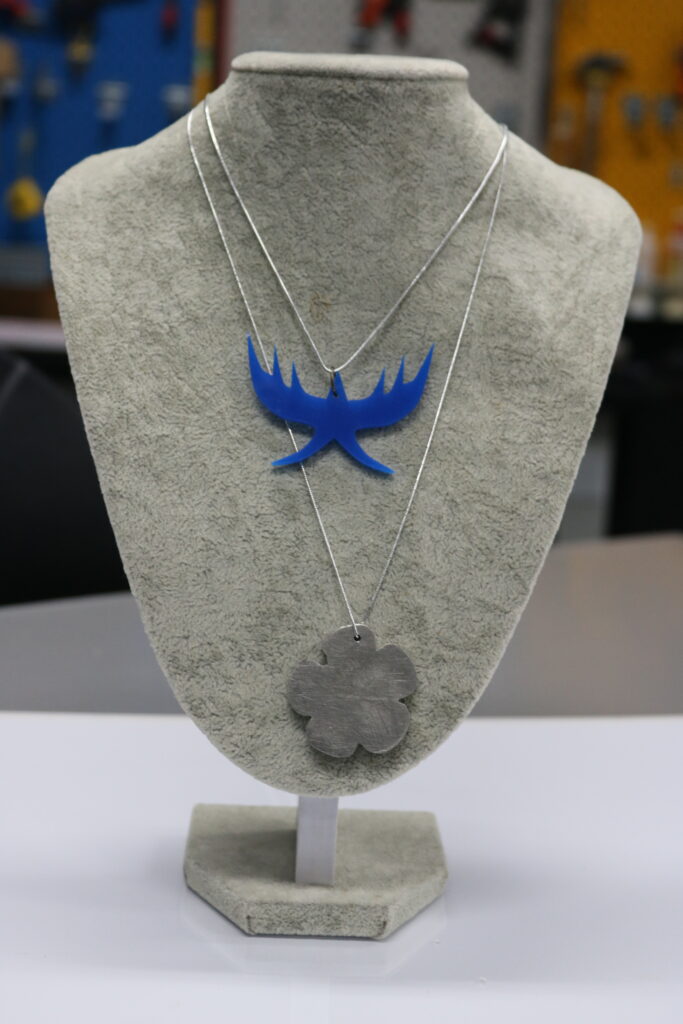
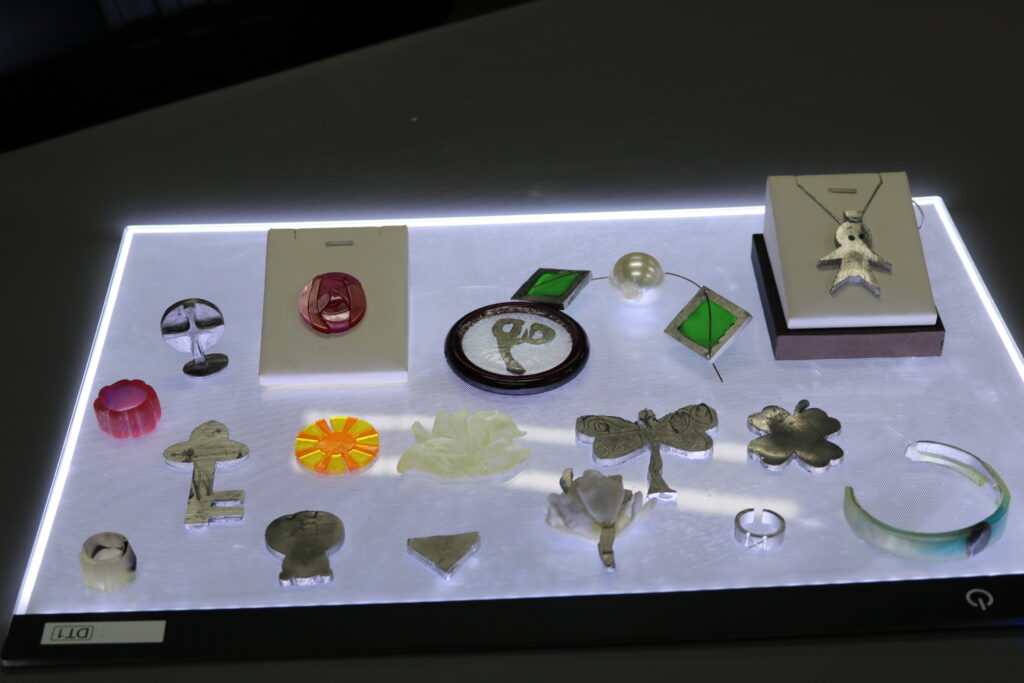
The exhibition at the end of the unit created authentic accountability. Students took pride in presenting their work to an authentic audience. The persona/client element encouraged empathy and shifted the focus from “making something cool” to “designing with purpose.” Embedding reflection checkpoints throughout the unit helped students see growth in their process, not just in their final product.
What I’d Refine
I’d like to build in more peer critique moments earlier in the process. Students benefited from feedback, but it often arrived too late to have a meaningful impact on their designs. Some students leaned heavily on safe, conventional ideas. Next time, I want to encourage more risk-taking and experimentation during the prototyping stage. I’m considering ways to make the evaluation criterion (D) more visible throughout, rather than something students only address at the end of the process.
Looking Ahead
The Jewellery Design unit continues to remind me that design education is about more than products; it’s about cultivating empathy, agency, and creativity. By combining the structure of the MYP criteria with the inclusivity of UDL, I’ve seen students grow not only as designers but as reflective learners.
As I refine this unit, my goal is to continually strengthen those connections, ensuring that every student feels both challenged and supported, and that their voices are at the centre of the design process.
No Comments