Reflecting on the Grade 9 Architecture Project.
The Grade 9 Architecture Project has been one of the most rewarding units of the year, not only for the students but also as an educator observing their growth. What began as a challenge to design solutions for community needs quickly evolved into a journey of creativity, resilience, and collaboration.
At the heart of this project was the IB-MYP Design Cycle, which provided students with a structured yet flexible framework. They began by identifying a problem or opportunity in the community, then moved through stages of research, ideation, prototyping, and reflection. This process encouraged them to think critically about the world around them and to see design as a tool for meaningful change.
Universal Design for Learning (UDL) principles played a key role in ensuring that every student could access the project in their own way. Some thrived in the sketching and planning stages, while others found their strengths in hands-on construction or iterative problem-solving. The diversity of approaches enriched the classroom atmosphere, creating a space where students could learn from one another’s perspectives.
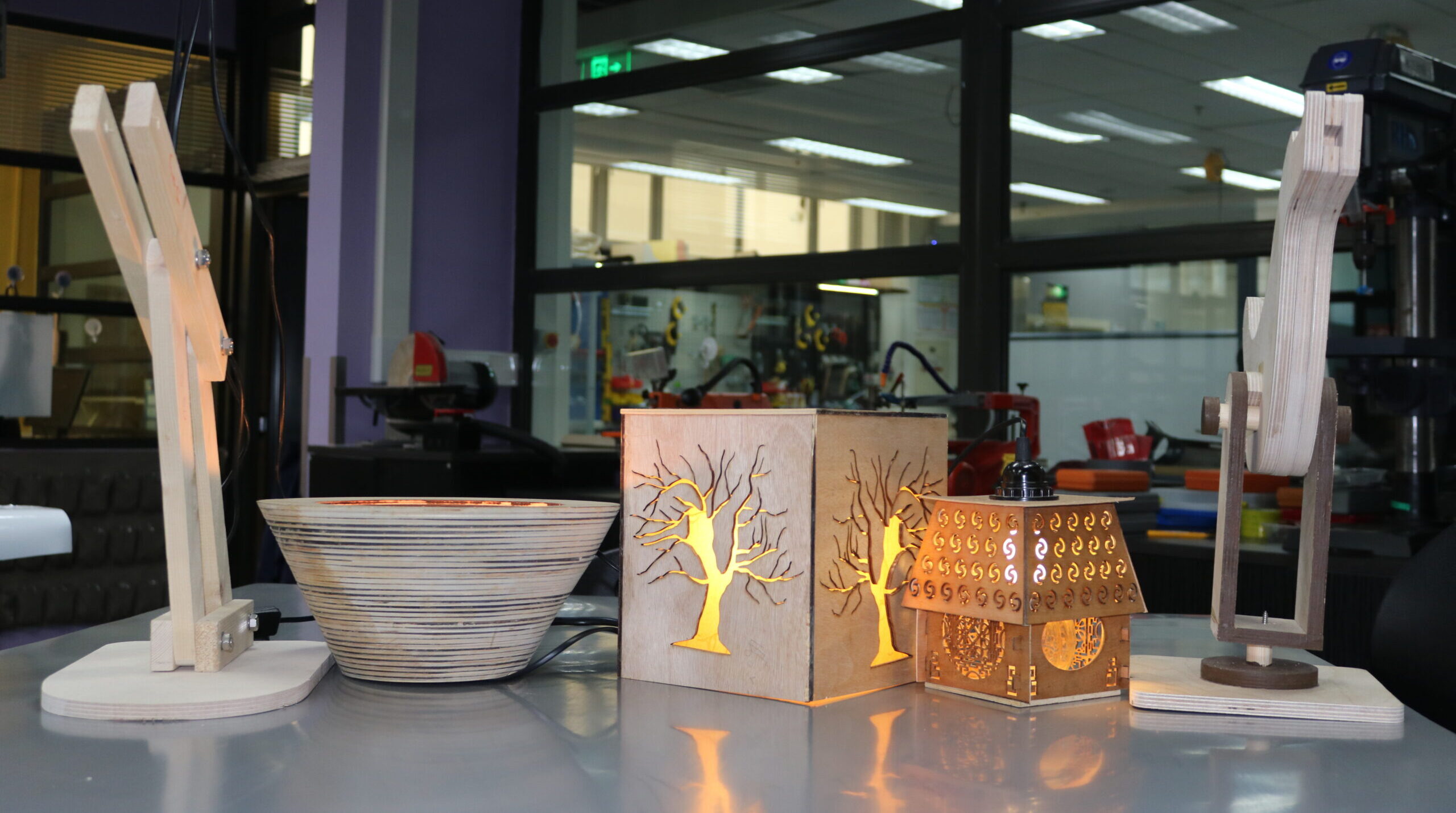
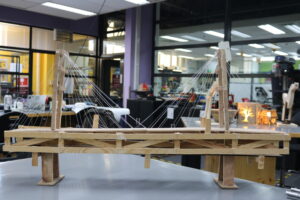
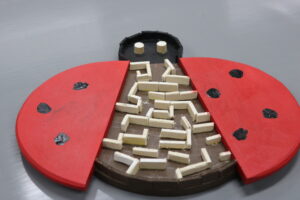
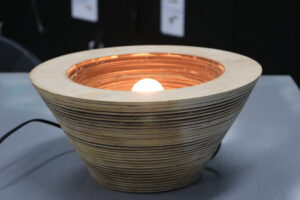
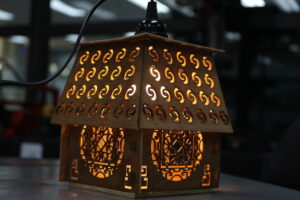
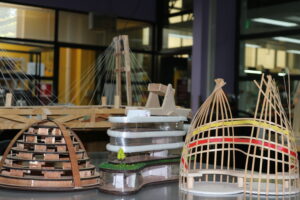
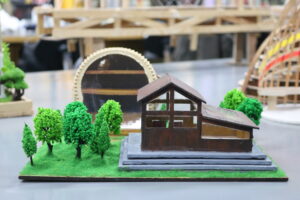
Wood served as the primary material, but the outcomes were as varied as the students themselves. Many chose to design apartment models, reflecting on housing challenges and the importance of livable spaces in growing communities. Others took more unconventional paths: one student designed a lamp to explore how light shapes mood, another engineered a bridge to symbolize connection, while others created a wooden game and even a functioning ferris wheel. Each project reflected not only technical skill but also imagination and personal vision.
What stood out most throughout the unit was the classroom culture. The workshop was alive with the sounds of tools, the exchange of ideas, and the quiet determination of students testing, adjusting, and refining their designs. There were moments of frustration when things didn’t go as planned, but those moments often became the most valuable learning opportunities. Students discovered that design is rarely a straight line it is a cycle of trial, error, and growth.
As a group, they learned to embrace iteration, to value feedback, and to see setbacks as part of the creative process. They also developed a deeper appreciation for the role of design in shaping communities, realizing that even small-scale models can represent big ideas about how people live, connect, and thrive.
Looking Ahead
This project has laid a strong foundation for future learning. The skills students practiced critical thinking, collaboration, resilience, and creative problem-solving will serve them well as they move into more advanced design challenges in senior years. Whether they continue in architecture, engineering, product design, or other fields, they now carry with them the mindset of designers who can approach problems with empathy and innovation.
The Grade 9 Architecture Project was not just about constructing models; it was about constructing mindsets. It reminded us all that when students are given the freedom to explore meaningful challenges, they rise to the occasion with creativity and purpose. And perhaps most importantly, it showed them that their ideas, no matter how small or experimental, have the power to shape the communities of tomorrow.
No Comments