Cultivating Entrepreneurial Skills Through the Business Unit and Eco-Markets
At our school, the Design curriculum is intentionally structured to bridge the gap between classroom learning and authentic, real-world application. One of the most dynamic examples of this is the Business Unit, where students are challenged to identify problems or opportunities within the school community and respond by developing small-scale entrepreneurial ventures. Working in groups of four, students follow a modified version of the MYP Design Cycle, which has been adapted by teachers to better align with the entrepreneurial process. This framework guides them through research, ideation, prototyping, and evaluation, ensuring that their projects are both creative and viable.


Throughout the unit, students are encouraged to think critically about the needs of their community while also engaging with external perspectives. They conduct market research, meet with local business owners, and learn how to translate abstract ideas into tangible products or services. This exposure to real-world business practices not only enriches their understanding of design but also equips them with transferable skills such as collaboration, resilience, and adaptability.

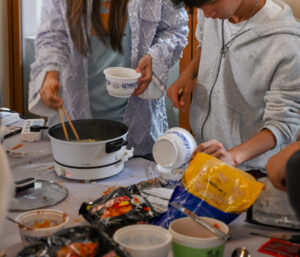
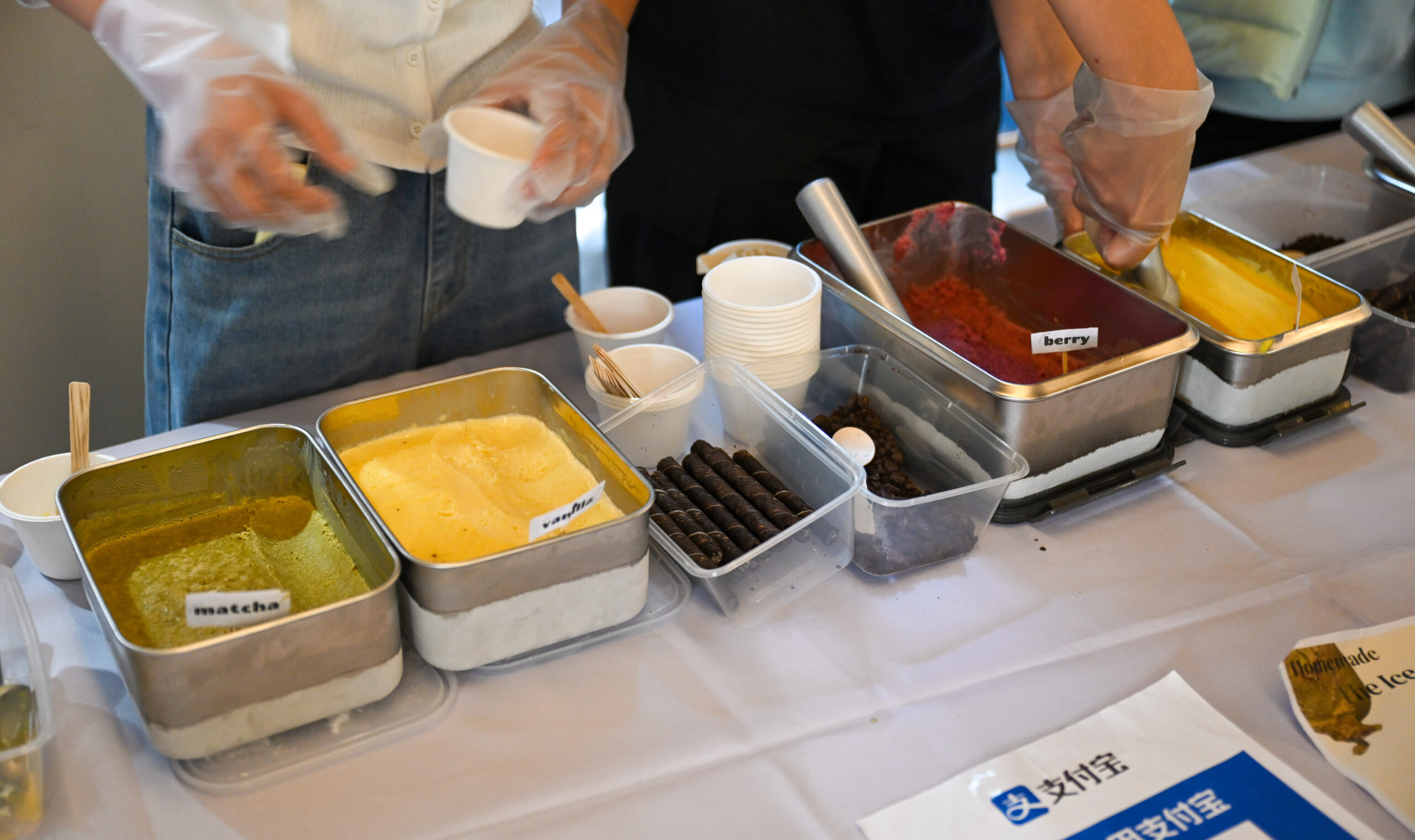
The culmination of this work is the Eco-Markets, a school-wide event that attracts parents, teachers, students, and external vendors. Here, students launch their businesses in a professional setting, offering a range of products and services, including food, crafts, and sustainable options. The Eco-Markets provide an invaluable platform for students to test their ideas, interact with customers, and adapt to the challenges of running a business in real time. In addition to this large-scale event, students also participate in a more intimate showcase during an extended lunch break, where they present their ventures exclusively to teachers and peers. These dual opportunities allow them to refine their communication strategies and reflect on how businesses must adapt to different audiences.

Ultimately, the Business Unit is about far more than selling products. It is a carefully designed learning experience that cultivates entrepreneurial thinking, problem-solving, and confidence. By situating design within the context of business and community, students gain a deeper appreciation of how creativity can drive meaningful change. For educators, this unit demonstrates the power of design as a vehicle for authentic learning.
No Comments