Flying Forces: Where Science Meets Siege in MYP Design & Technology
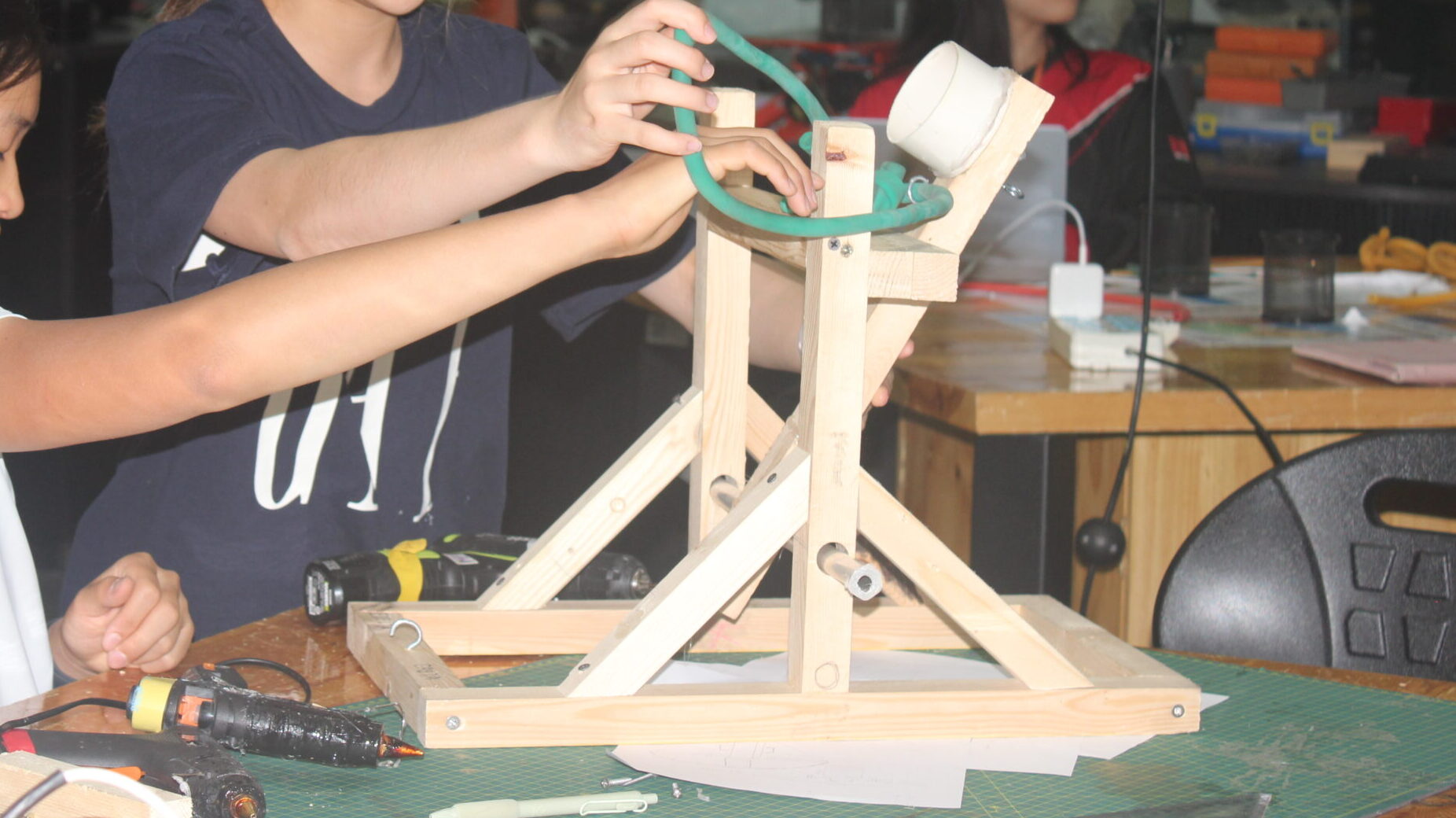
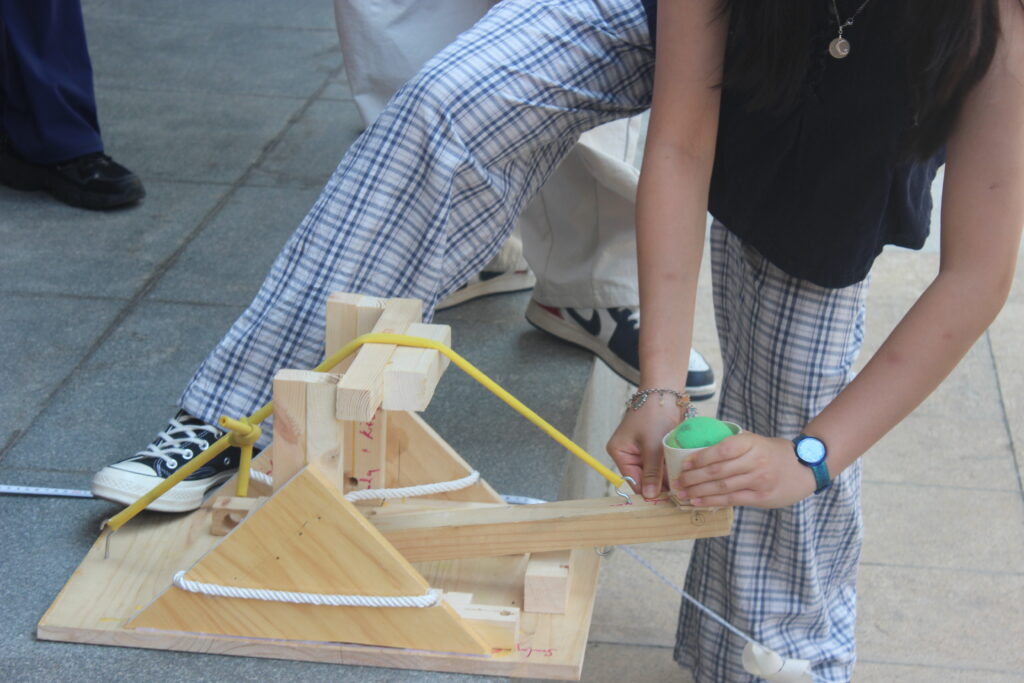
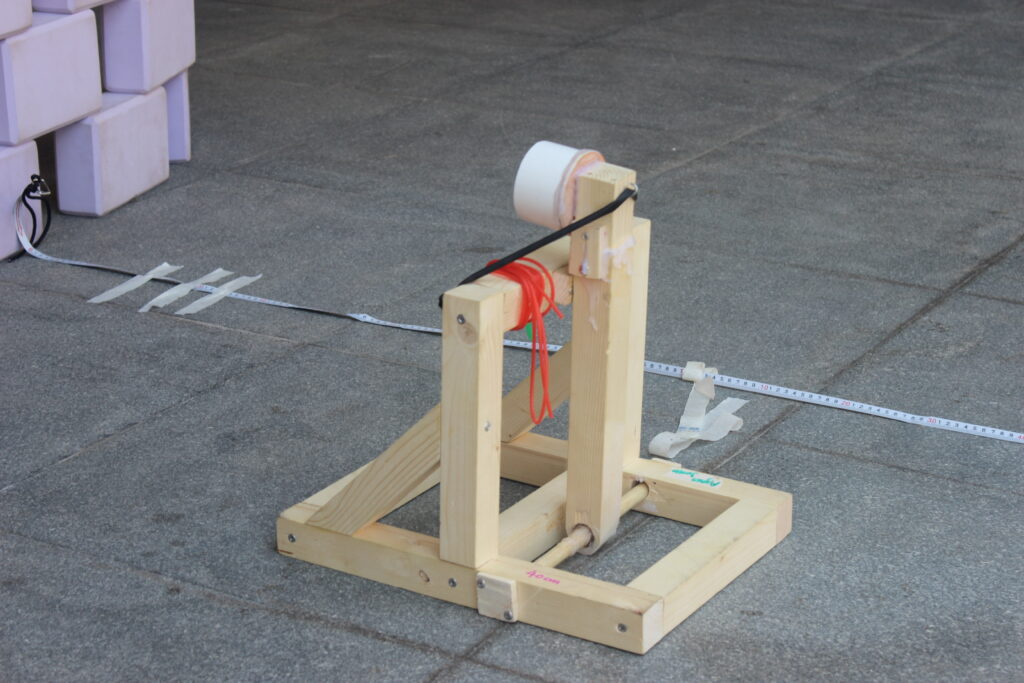
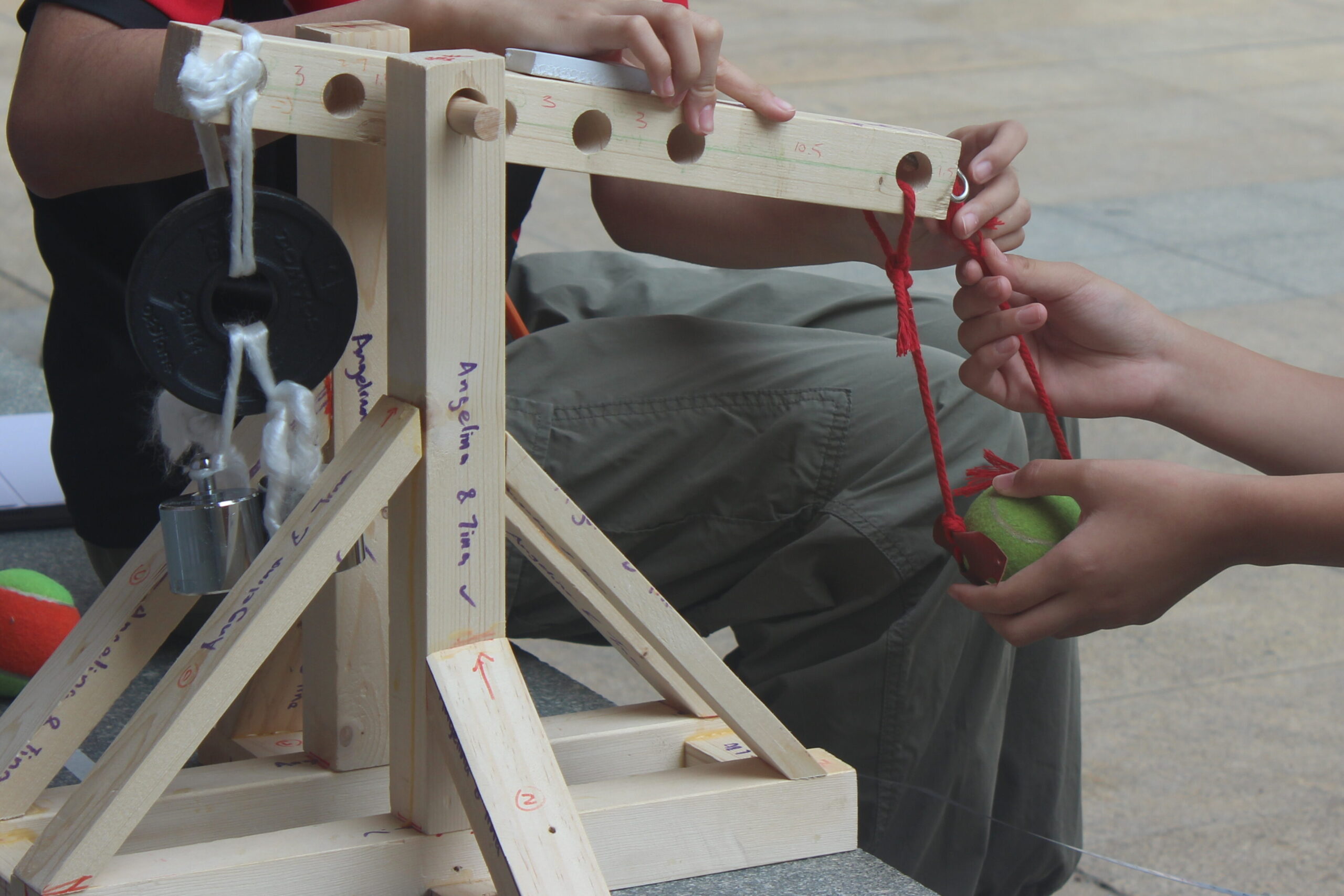
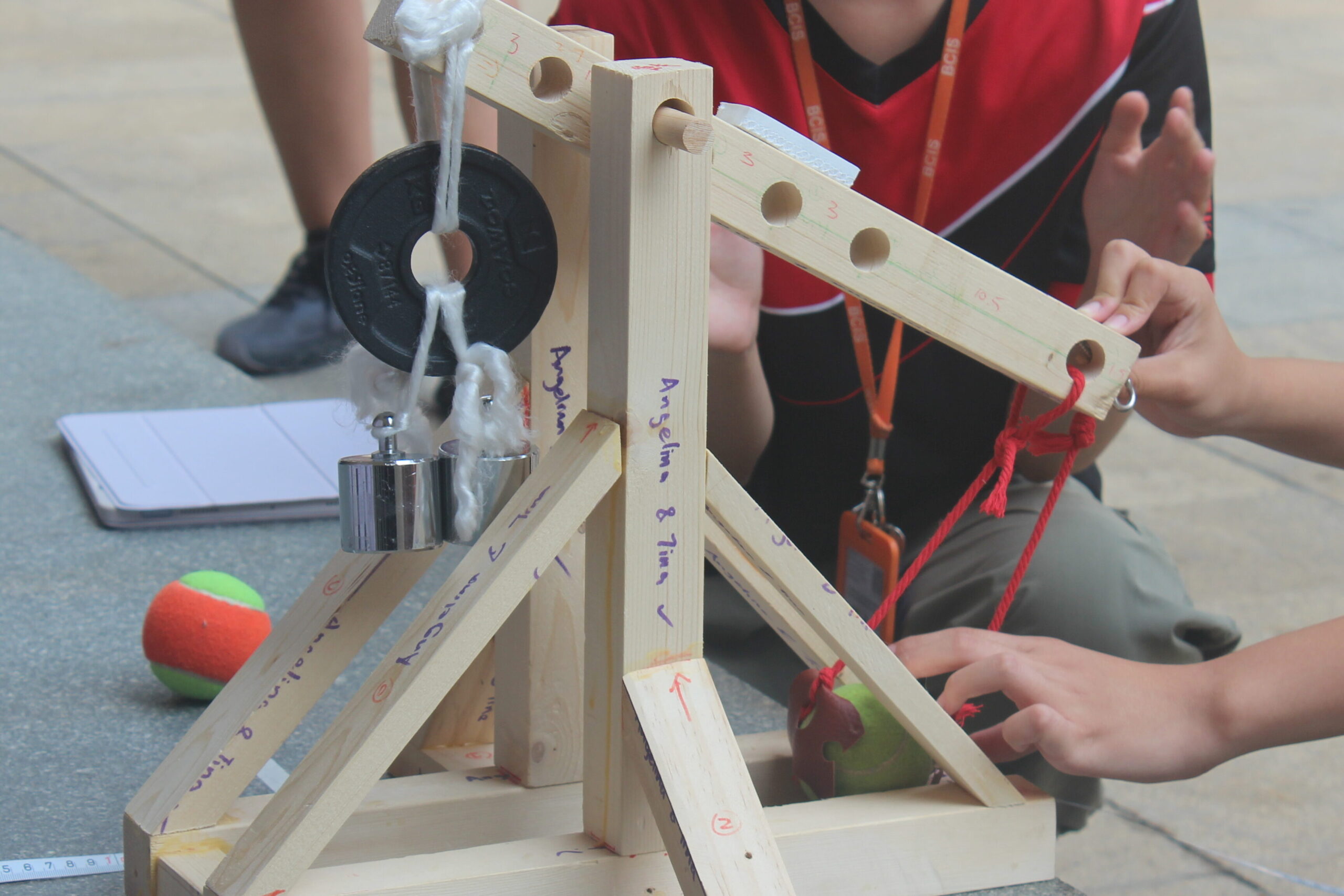
In the MYP classroom, learning isn’t confined to textbooks—it’s launched through the air in a tennis-ball-fueled battle of brains and creativity. The Flying Forces Unit is an exhilarating Interdisciplinary Unit (IDU) that bridges MYP Science and MYP Design & Technology, inviting students to explore the physics of forces and apply their knowledge to build ancient siege simple machines.
The Power of Interdisciplinary Learning
Developed collaboratively by the Science and Design departments, Flying Forces exemplifies the MYP philosophy of connecting disciplines to deepen understanding. Students begin in Science class, diving into the world of forces—exploring concepts like tension, compression, gravity, and projectile motion. Then, they transition to Design, where theory meets hands-on innovation.
From Research to Reality: The Siege Machine Journey
Students research historical siege weapons such as:
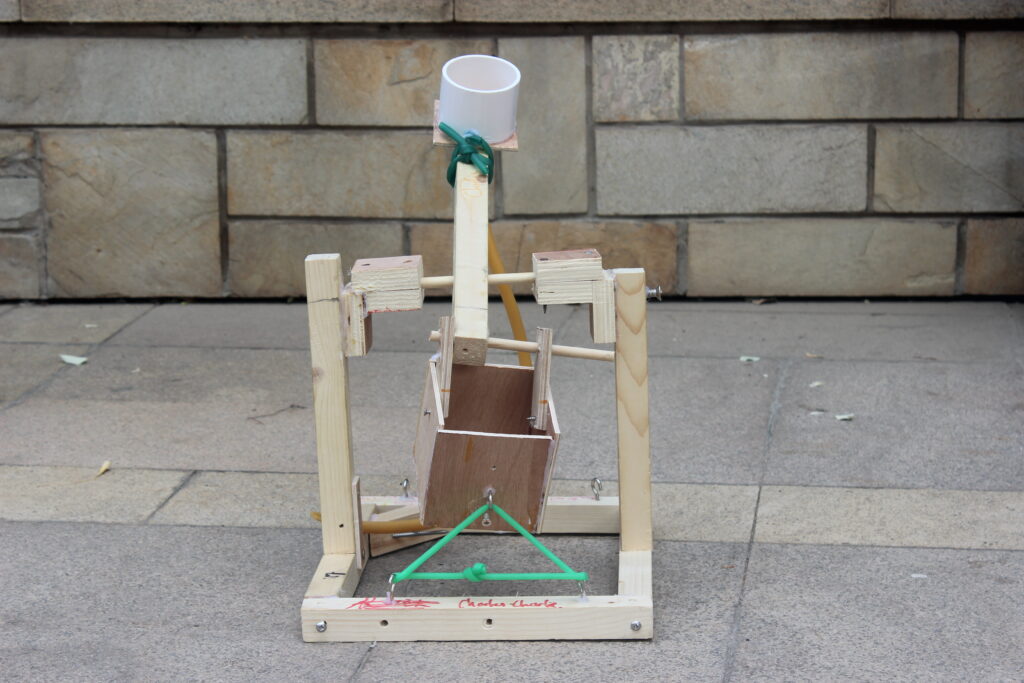
• Trebuchets: Gravity-powered giants of medieval warfare
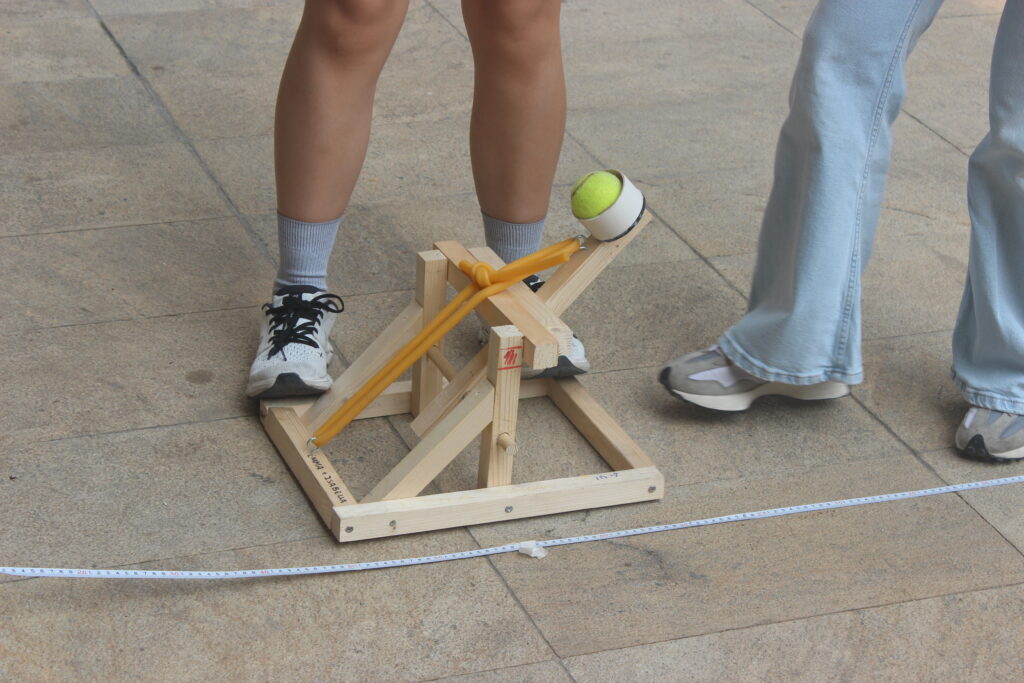
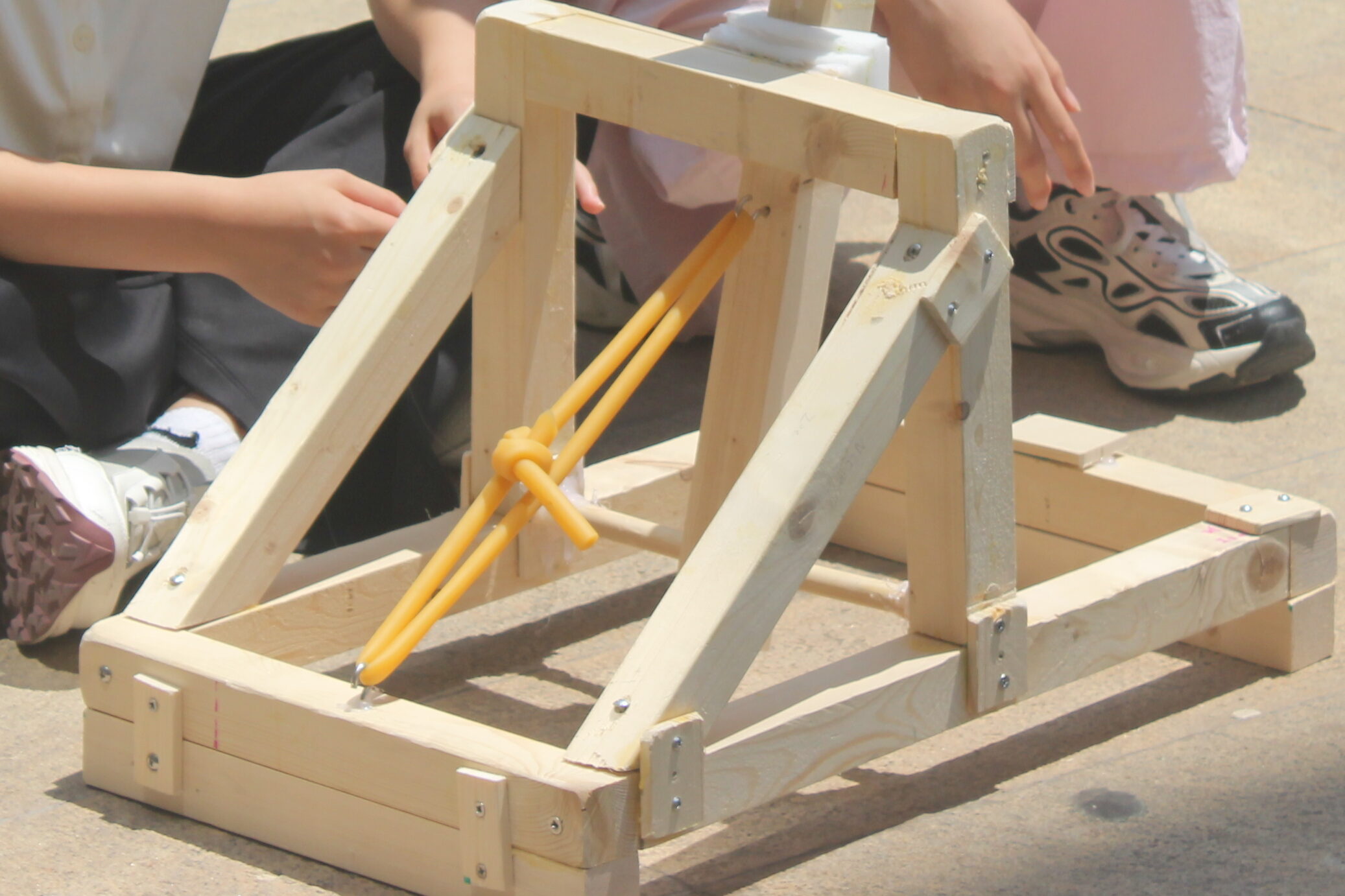
• Catapults: Tension-based launchers with profound impact
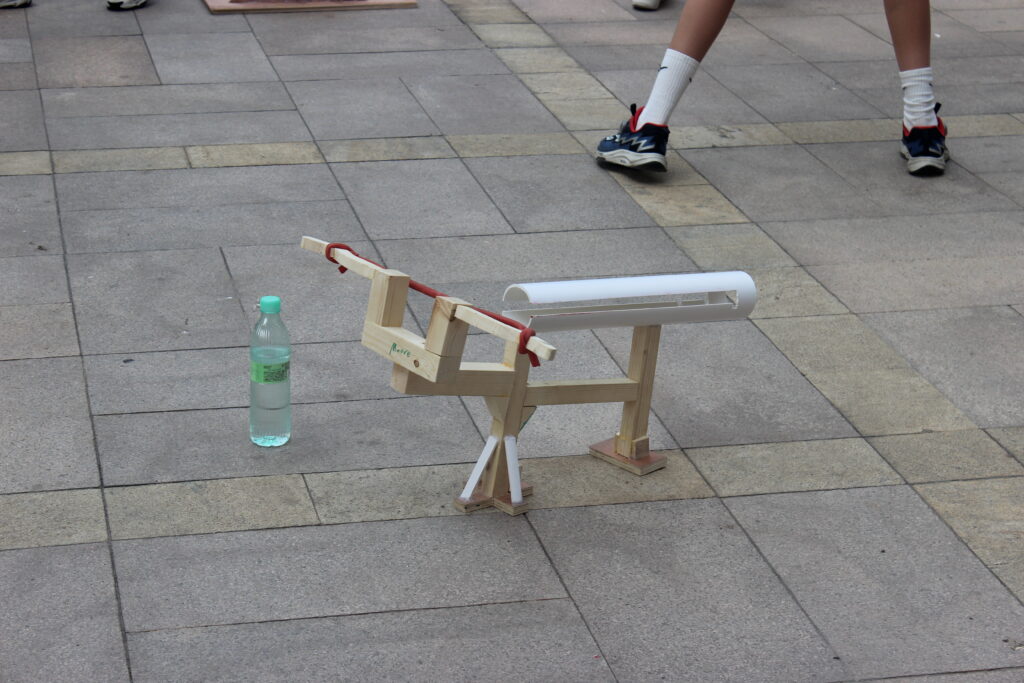
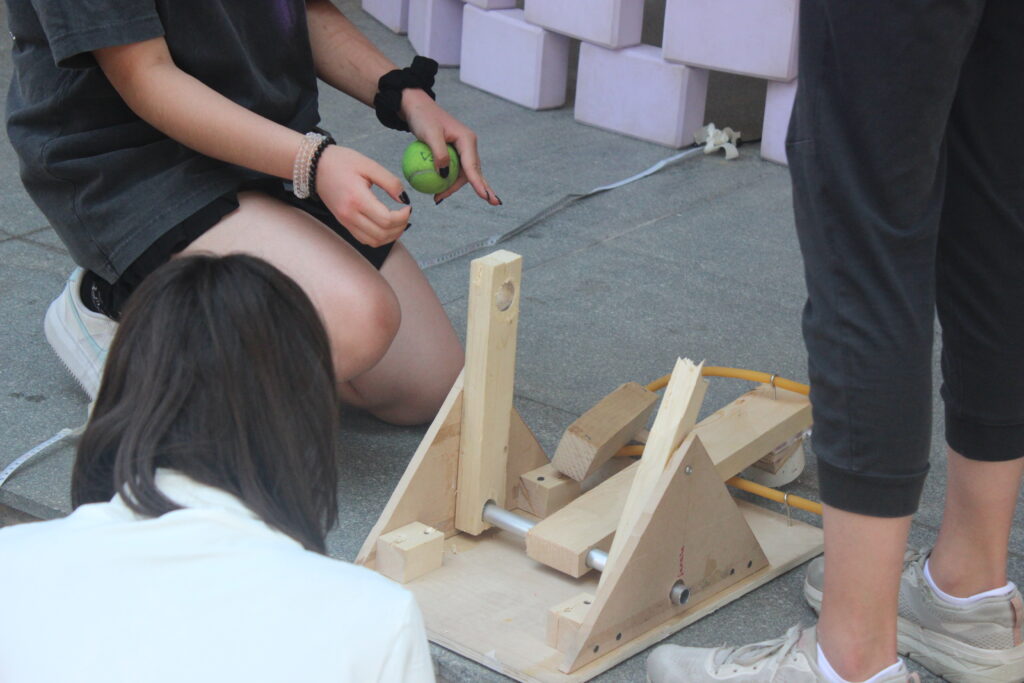
• Simple Cannons: Pressure-driven prototypes of modern artillery
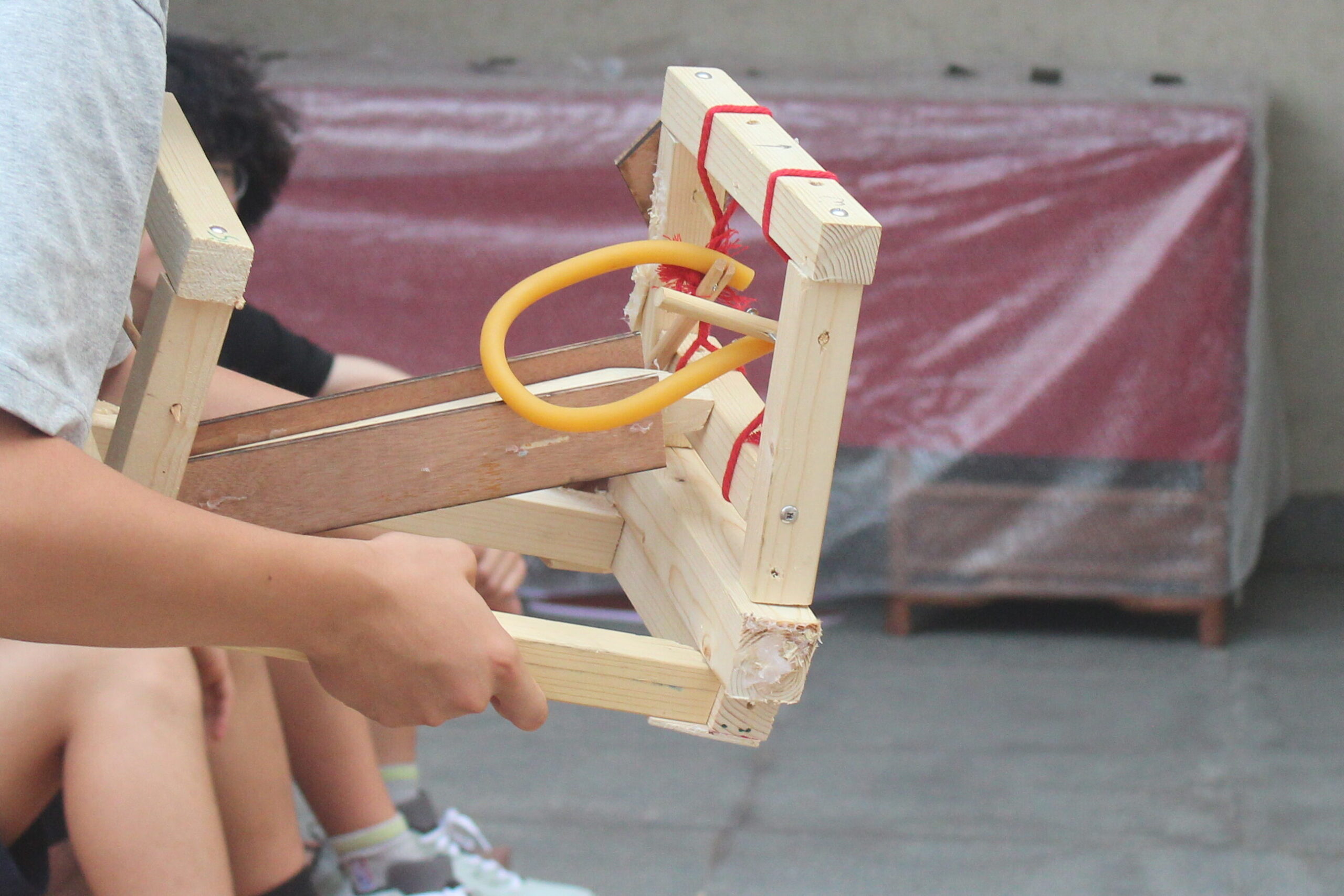
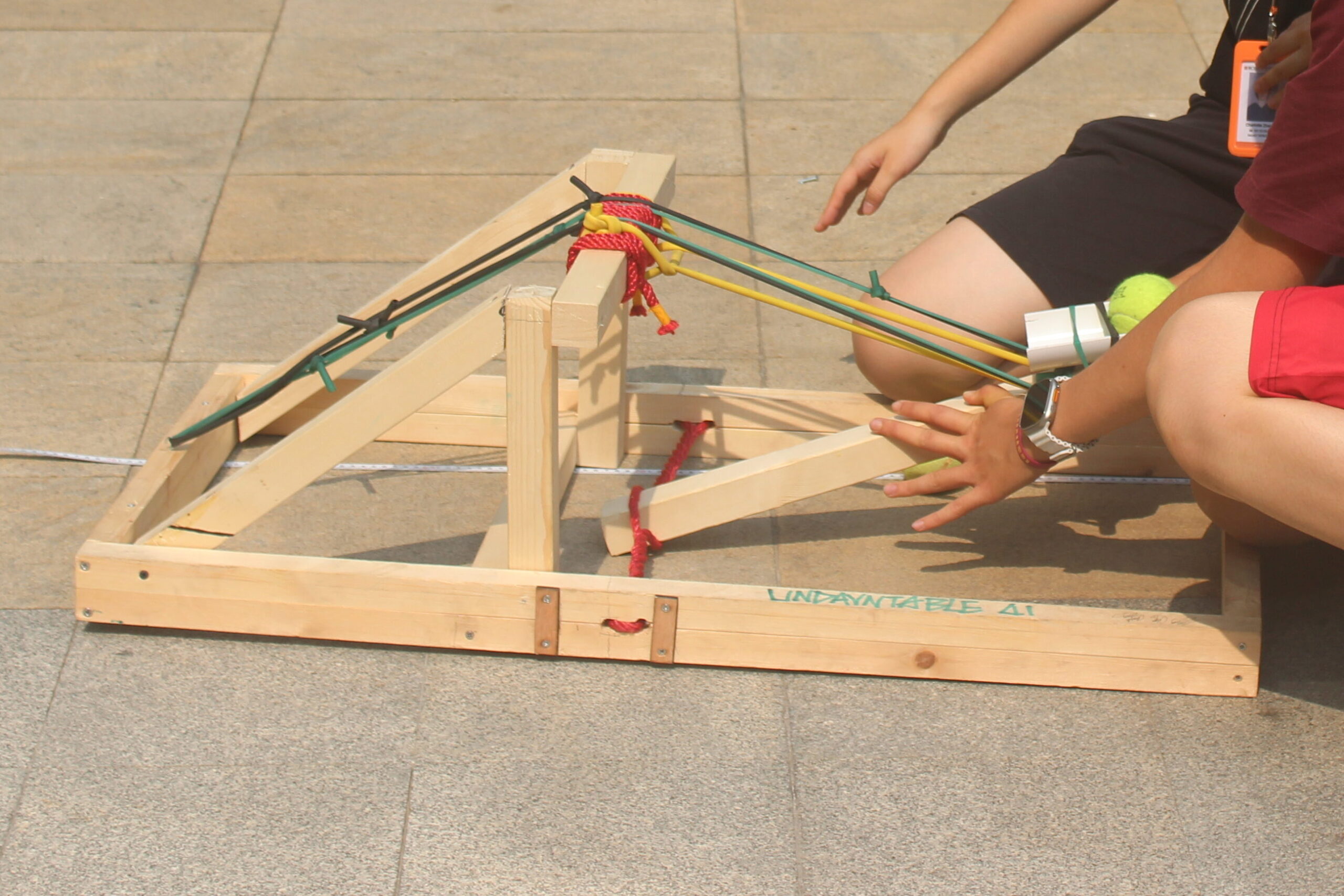
Armed with this knowledge, students pair up to design and build their siege machines using readily available materials—wood, rubber bands, screws, nails, and a whole lot of ingenuity.
Skills in Action: The Design Cycle Comes Alive
Throughout the unit, students engage deeply with the MYP Design Cycle, applying each phase to their project:
• Inquiring and Analysing: Researching siege machines and understanding the science of forces
• Developing Ideas: Sketching concepts and using CAD/CAM software to refine designs
• Creating the Solution: Building machines using woodworking tools and precise math measurement skills
• Evaluating: Testing and refining their machines for maximum launch power and accuracy
This unit isn’t just about building—it’s about problem-solving, collaboration, and creative thinking.
The Grand Finale: Launch Day Challenge
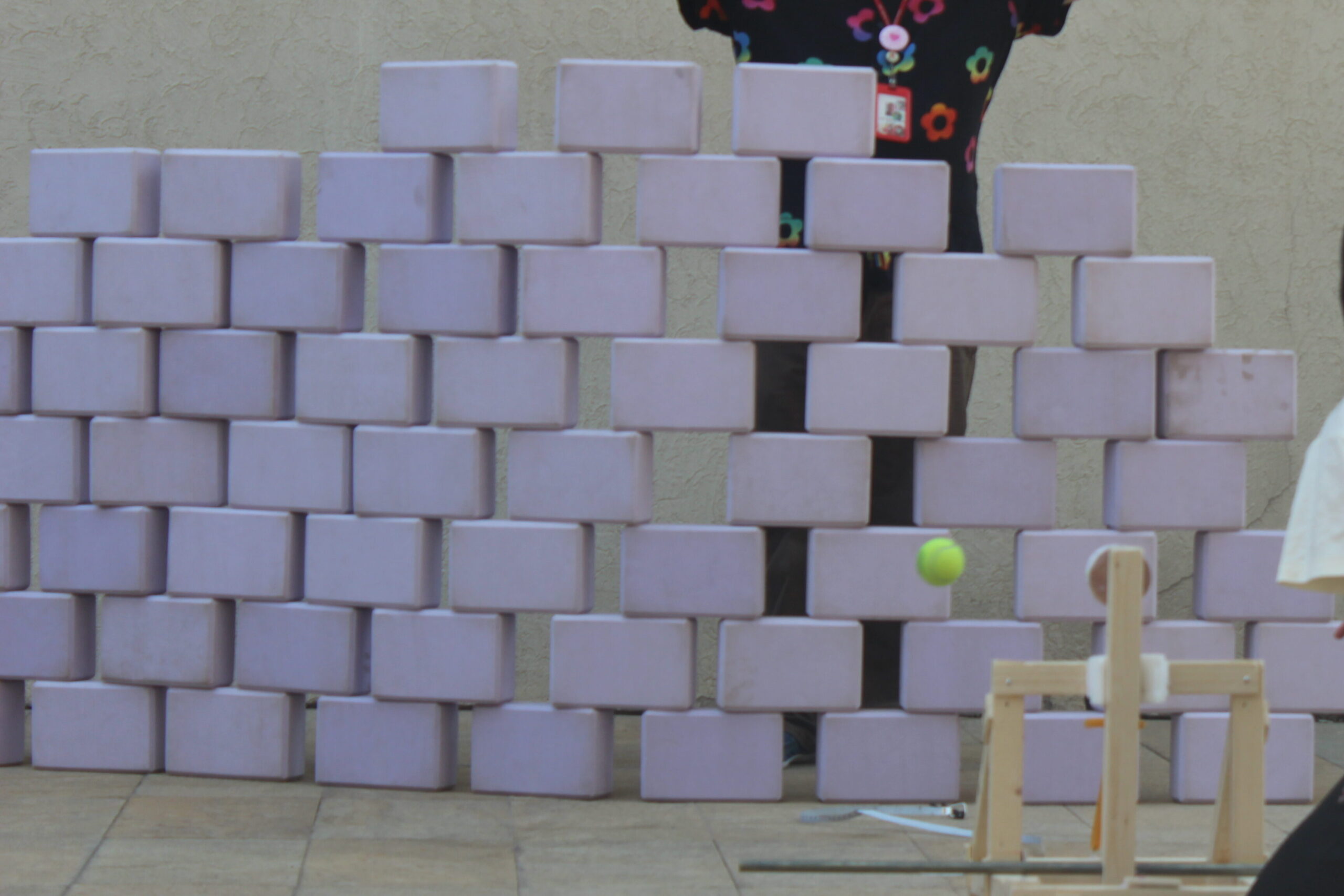
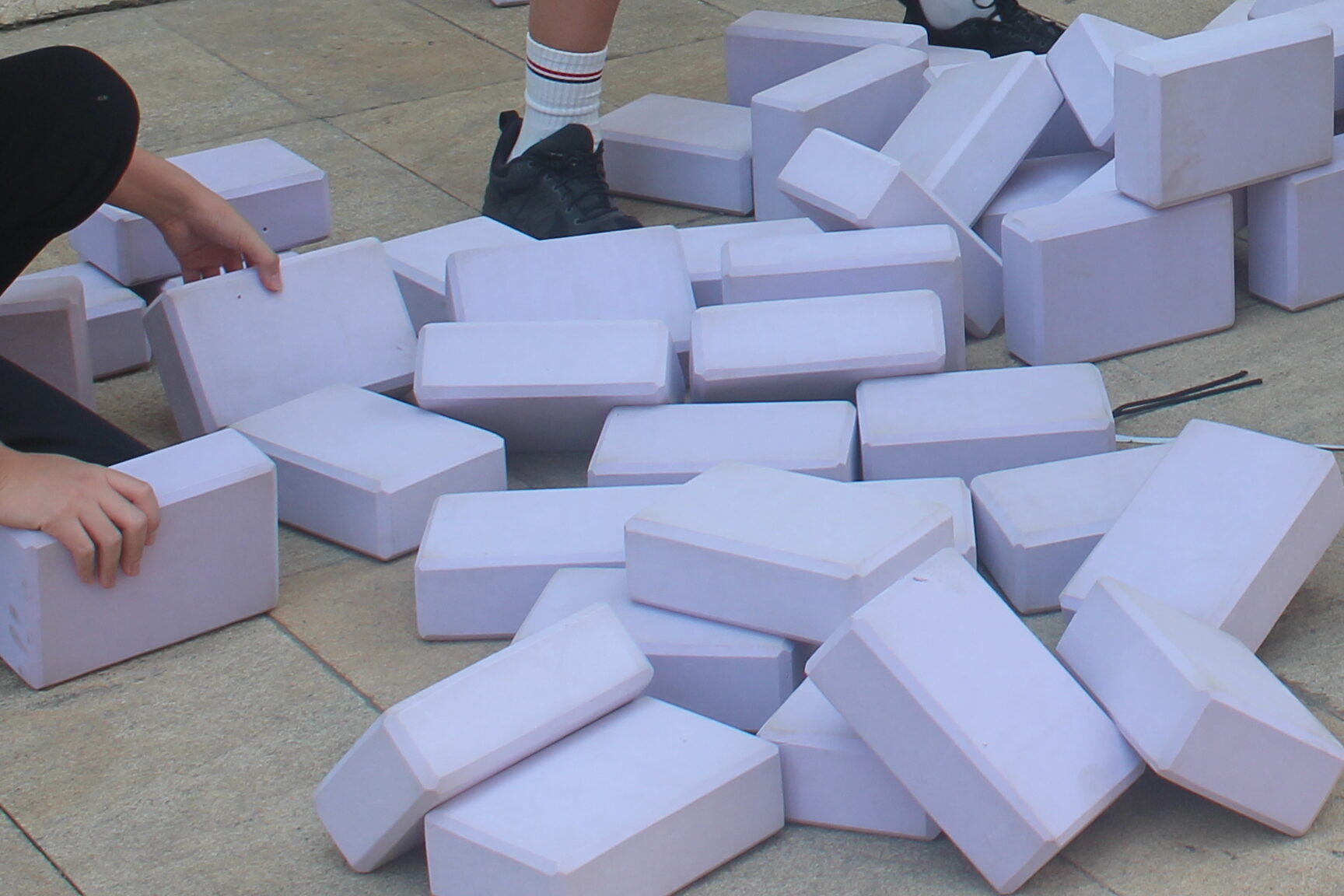
The climax of Flying Forces is a high-energy challenge: students must launch a tennis ball using their siege machine to knock down a Styrofoam wall. Each team competes to see whose Design can topple the most blocks, combining precision, power, and a dash of medieval flair.
The court fills with cheers, flying tennis balls, and the satisfying crash of Styrofoam—an unforgettable celebration of learning through doing.
Why Flying Forces Matter
Flying Forces is more than a unit—it’s a learning experience that sticks. Students walk away with:
• A deeper understanding of scientific principles
• Practical skills in Design and engineering
• Confidence in using tools and technology
• A sense of accomplishment from seeing their ideas take flight—literally
This unit proves that when disciplines collide, creativity soars. And sometimes, the best way to learn about forces is to build a machine that hurls a tennis ball across the room.
No Comments